When a child is swept up in a big feeling, the feeling often arrives long before the words do. A four-year-old rarely says "I feel frustrated because my tower fell down." They cry, they stomp, they melt. Naming feelings is a skill, and like any skill, it grows with gentle practice. Here are three small, calm ways to help.
| What it is | Three gentle steps for younger children, plus five that suit |
| Time per day | about 5 minutes |
1. Name it before you fix it
When your child is upset, the instinct is to solve the problem straight away. Try pausing to name the feeling first: You are really disappointed that we have to leave the park. Putting a word to the feeling helps a child feel understood, and it slowly builds their own emotional vocabulary. Instead of just general terms like ‘sad’ or ‘mad’, try to use precise emotion words, perhaps suggesting ‘frustrated’ or ’embarrassed’ if they fit the situation.

Asking your child, “Are you feeling frustrated because your game isn’t working?” helps them connect what happened to how they feel, and recognise more specific emotions. This skill helps your child identify and express what they are actually experiencing, rather than treating all strong feelings as the same. You might also help them notice physical sensations, like a tight jaw or butterflies in their stomach, to help them recognise and name their feelings.
Understanding that feelings vary in intensity, and asking “How strong is that disappointment?” encourages them to monitor their emotions. This foundational ability to identify and name emotions makes them easier to understand and act on later. The common mistake is rushing to fix the issue before the feeling is acknowledged, which misses an important opportunity for your child to build emotional understanding.
The fix can come after.
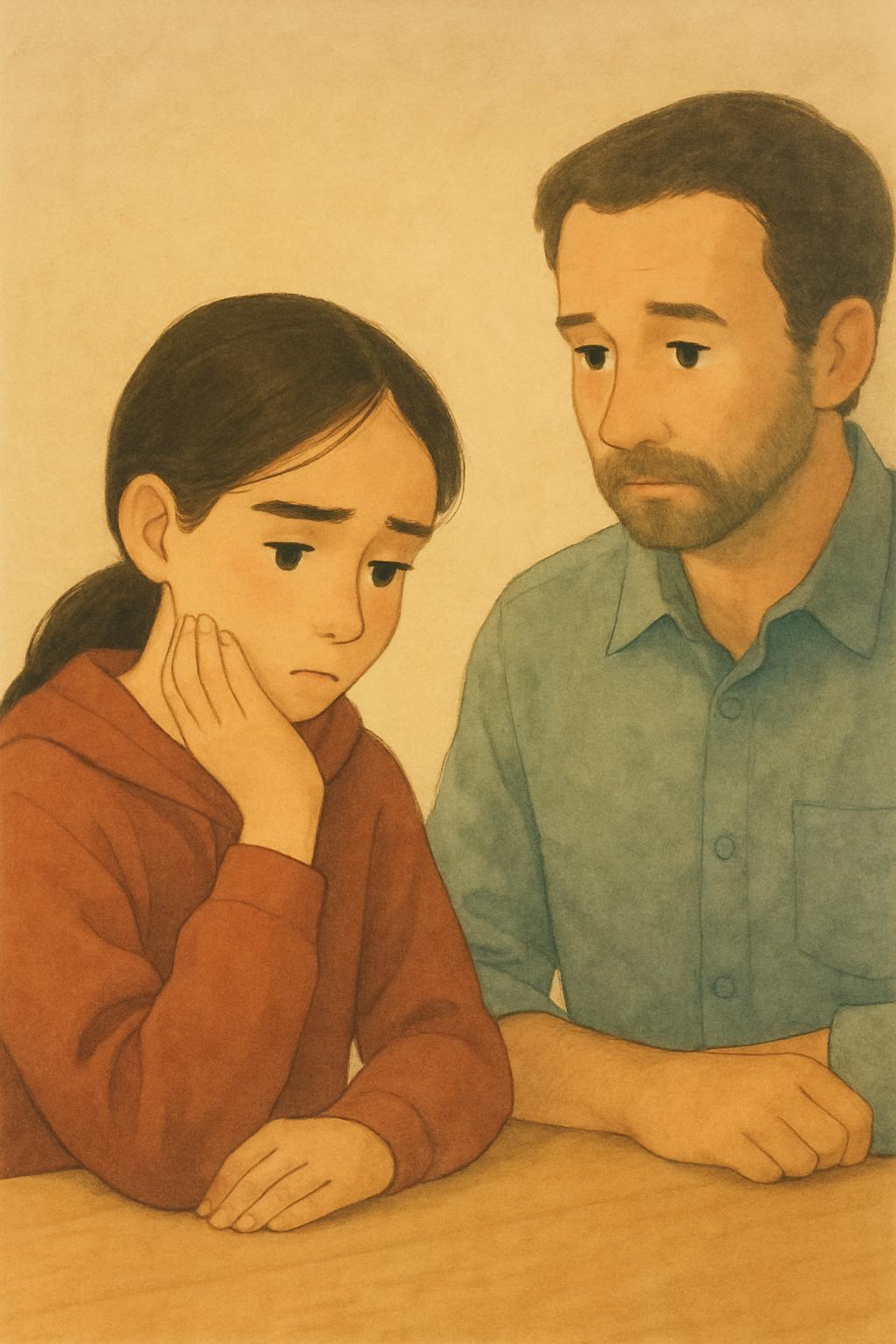
2. Give feelings a face
Young children think in pictures. Simple feelings faces, drawings, or a favourite character can turn an invisible feeling into something a child can point to. Which face feels like you right now? is often easier to answer than How do you feel? You might ask, “Does that face show you feeling a bit disappointed, or more frustrated?” This helps your child move beyond just ‘sad’ or ‘mad’ and learn to use more precise emotion words, which builds their emotional understanding.
You could also help them notice what their body is experiencing by asking, “Where do you feel that feeling in your body? Is your jaw tight, or do you have butterflies in your stomach?” Identifying these physical sensations helps your child recognise and name specific feelings. Connecting these feelings to what happened can also be helpful. “What just happened that made you feel so cross?” helps your child link a situation to the specific emotion it triggers, allowing them to express what they feel and why.
You might also ask, “How strong is that feeling right now, on a scale of one to ten?” This helps them understand that feelings vary in intensity, rather than being all-or-nothing. Being able to identify and name emotions precisely is a foundational skill that supports them in understanding and acting on their feelings. A common mistake is only asking “Are you okay?” which does not encourage your child to explore or describe their specific emotional landscape.
3. Practise when things are calm
The heat of a meltdown is the hardest time to learn anything new. Talk about feelings during quiet, happy moments instead: at bedtime, on a walk, or while colouring together. You can help your child use precise words for their experience by asking, ‘Are you feeling frustrated or disappointed right now?’ rather than just ‘sad’.
This helps them identify and express what they are truly experiencing. You might also link a feeling to its cause, asking ‘What happened to make you feel that way?’ or explore physical sensations: ‘Does that tight jaw mean you’re feeling annoyed?’ These discussions build emotional understanding and help your child recognise and name their feelings, a foundational skill.
Even rating how strong a feeling is, perhaps on a scale of one to ten, helps them notice how emotions vary. The common mistake is to rely only on vague words like ‘fine’ or ‘okay’, or to avoid these conversations until a crisis. When feelings are practised in calm times, they are easier to reach for in hard ones.
None of this happens overnight, and that is completely normal. Every time you name a feeling out loud, or help your child differentiate and describe their feelings, you are handing your child a small tool they will use for the rest of their life.
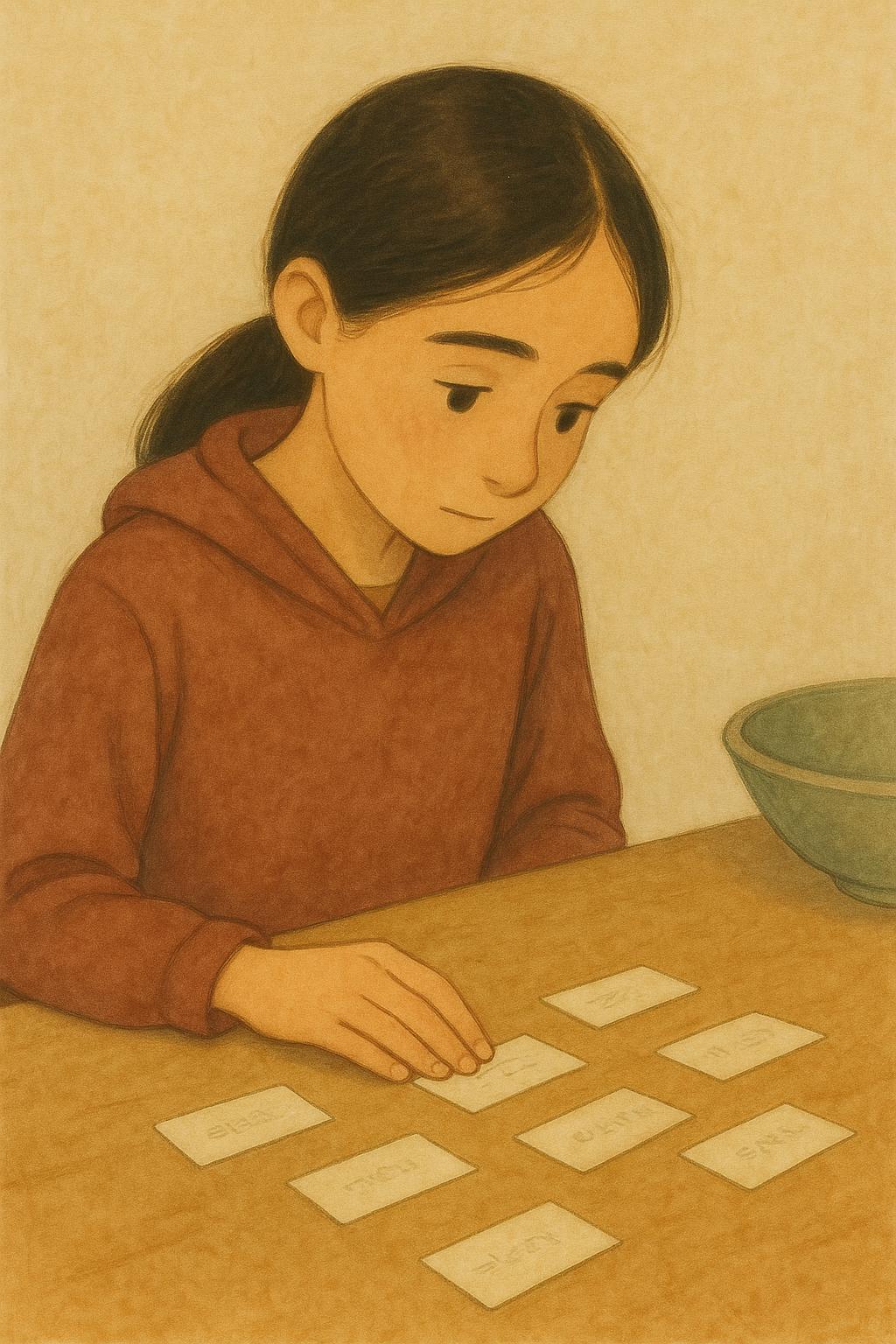
As your child gets older: naming feelings at 9-12
The three steps above are pitched at younger children. From about nine, the same skill grows up: the aim moves from having a word to choosing the right word, and to noticing what the body was doing before the word arrived.
Precise naming (affect labeling). When your child expresses a feeling using general terms like “bad” or “okay,” you can help them find more specific words. Gently ask them to describe their feeling more precisely. For example, instead of just “mad,” you might ask if they feel frustrated, annoyed, or angry. You can offer a few specific emotion words as choices, or prompt them to think about what exactly is happening inside. This practice helps your child learn to identify and express what they are actually experiencing, rather than relying on a few broad descriptions. By using precise emotion words, they can better understand their own feelings. A common challenge is when your child says “I don’t know.” If this happens, avoid pressing for an immediate answer. You can suggest a couple of options again, or simply say, “It’s okay if it takes some time to figure out the right word. We can talk about it later.” Why it works: affect labeling / using precise emotion words — naming a feeling specifically rather than with a vague global word.
Beyond mad/sad/happy. To help your child understand their feelings better, you can introduce a wider range of emotion words. Using an activity like a crossword or word search for feelings vocabulary can be a good start. Guide your child to consider words such as frustrated, disappointed, embarrassed, nervous, overwhelmed, content, or proud. Encourage them to think about whether one of these words describes their experience more accurately than just mad, sad, or happy. This practice helps your child differentiate between emotions. Recognizing these more precise feelings builds their emotional understanding. If your child struggles to identify these new feelings, try prompting them. Instead of just asking “How do you feel?”, you might ask, “Could you be feeling frustrated rather than just mad?” or “Is there a more specific word than ‘sad’ for what you are experiencing right now?” This guidance helps them explore a broader emotional vocabulary. Why it works: differentiating between emotions, including more precise secondary or blended feelings, to move beyond a few primary labels.
Codebook decode. When your child seems to be experiencing a strong feeling, you can help them notice what is happening in their body. Ask them questions like, ‘What do you notice in your stomach right now?’ or ‘Is your jaw tight?’ Then, connect these physical sensations to a feeling word. For example, you might say, ‘When your face feels hot and your jaw is tight, that might be anger.’ This activity helps your child recognize and name their feelings. By identifying physical sensations that go with a specific emotion, such as a tight jaw, a hot face, or butterflies in the stomach, your child can understand which emotion they are having. If your child struggles to identify sensations, offer some specific examples. Instead of asking ‘How do you feel?’, you might suggest, ‘Do you feel butterflies in your stomach, or is your heart beating fast?’ This helps them focus on body cues, not just a general feeling. Why it works: identifying the physiological sensations associated with a specific emotion in order to recognize and name it.
Situation to feeling link. To help your child better understand their feelings, you can practice linking situations to the emotions they trigger. When you observe your child experiencing a strong emotion, gently approach them and ask about what just happened. You might say something like, ‘I notice you seem [sad/angry/worried]. Can you tell me what happened right before you started feeling that way?’ or ‘What was going on when you began to feel [emotion]?’ Drawing these connections between a situation and the specific emotion it triggers, and exploring why it led to that feeling, helps your child express their emotions more clearly. It also supports them in understanding what set their feelings off. If your child struggles to identify the link, or seems unsure, you can offer a gentle suggestion based on clues you’ve observed. For example, you might say, ‘Did you feel frustrated when your toy broke?’ This helps guide them in pairing the event with the feeling. Why it works: linking a situation to the specific emotion it triggers to express what and why one feels.
Feelings vary in intensity. When your child identifies a feeling, you can encourage them to consider how strong that feeling is. You might ask, “On a scale of 1 to 10, where 1 is a little bit and 10 is the strongest, how intense is that feeling right now?” This activity helps your child notice and monitor their emotions. It supports them in understanding that feelings are not always at their maximum strength, moving away from an all-or-nothing way of viewing their emotional experiences. This approach, outlined by Sburlati & Lyneham (2011), helps a young person rate the intensity of an emotion. Sometimes, a child might find it hard to choose a number or might say “10” for every feeling. If this occurs, you can suggest they think about how big the feeling feels inside them. You could also offer a visual comparison, such as “Is it a tiny pebble feeling or a big rock feeling?” This allows them to explore the range of intensity without the pressure of being precise. Why it works: rating the intensity of an emotion.

What to expect
Skills practised when a child is calm are the ones available when a child is not — the first few days are practice, not proof. If distress is intense, persistent, or getting worse, speak to your paediatrician or a licensed mental health professional in your area. A printable is a practice tool, not an assessment.
If you would like this as a ready-made routine
We made a printable version of exactly this sequence.
Kite & Koala printables are made by a mental health professional with a PhD. Built on published CBT research. Educational tool — not a substitute for therapy or medical advice.
Common questions
What age is this for?
The first three steps suit children from about five. The section adds precision: more exact feeling words, body cues and intensity. Younger children need an adult to lead each step and to keep it short.
How long before it helps?
Treat the first week as practice, not proof. Skills rehearsed while a child is calm are the ones available when they are not, so the routine is built on ordinary days and drawn on during hard ones. Consistency matters far more than length.
Do I need to buy anything to try this?
No. Every step above can be done with your voice, your hands and a few minutes. A printable simply saves you from remembering the order and gives the child something concrete to hold, which many families find easier at the end of a long day.
When should I talk to a professional?
If distress is intense, lasts for weeks, gets worse, or stops your child doing ordinary things like school, sleep or seeing friends, speak to your paediatrician or a licensed mental health professional in your area. These activities are practice tools, not an assessment.