Short answer: 8 things help most with school refusal help for tweens in children — Why avoidance grows the fear, Read the refusal, Hold the morning, Build the ladder, Partner with the school, and 3 more. Each one is below, in order, with how to do it and why it works.
If this sounds like your house, you are not doing anything wrong — it is one of the most common patterns parents describe. Below are 8 small, practicable things that help, each one drawn from published cognitive behavioural work with children.

| What it is | 8 evidence-based steps you can run at home |
| Time per day | about 5 minutes |

What actually helps
Start by noticing what is happening
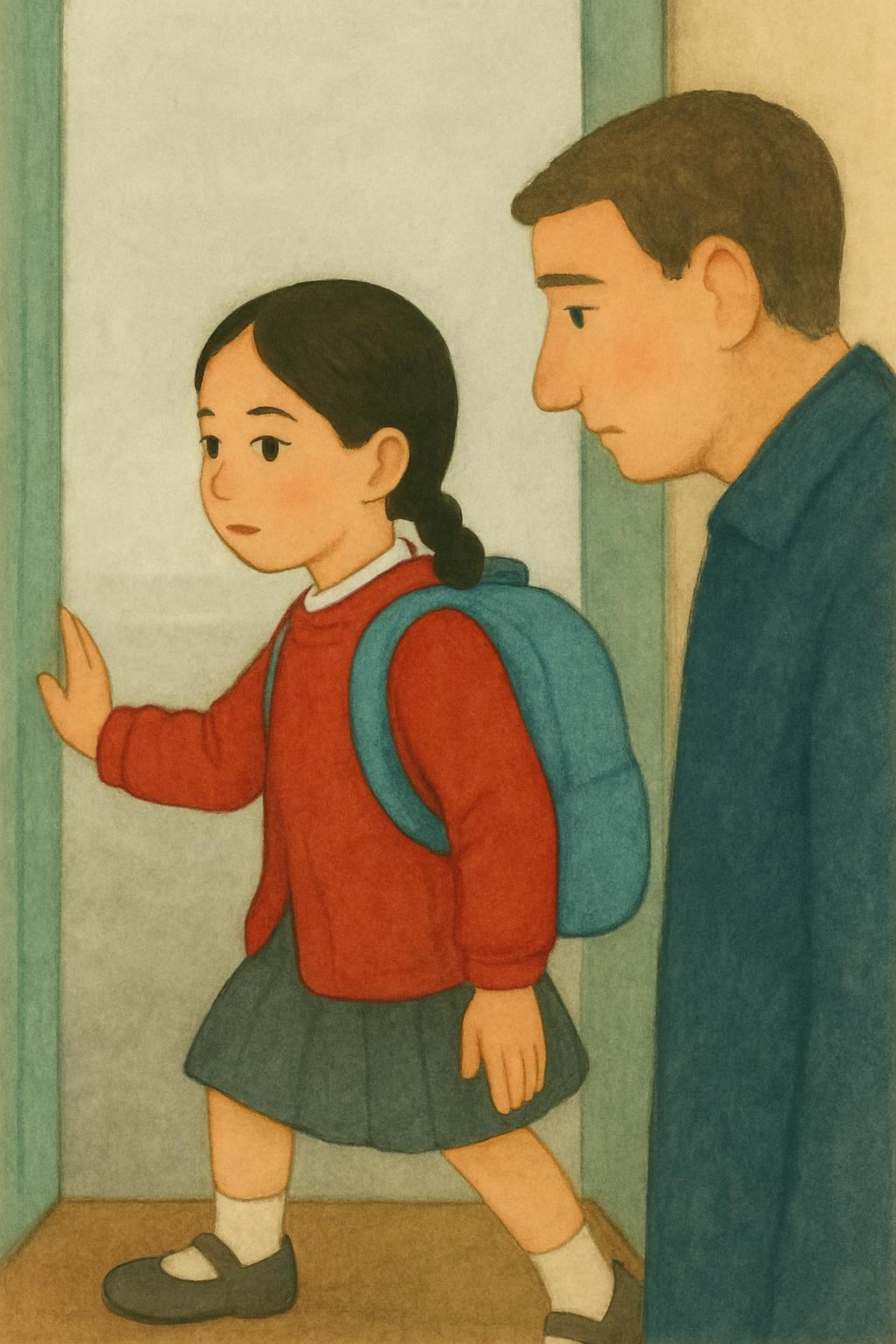
Read the refusal. When your child resists going to school, begin by observing their behavior closely. Notice when the refusal happens, what your child says or does, and any events that occur just before or after. You might calmly ask, “What makes it hard to go to school right now?” or “What do you think might happen if you went?” The goal is to identify the specific reasons and the underlying function of your child’s school refusal. Understanding these identifiable reasons and functions is key, as it helps determine which coping tools and strategies will be most useful for your child’s plan. Sometimes, it can be challenging for your child to articulate why they are refusing, or you might not immediately see a clear pattern. If this happens, avoid immediate pressure for an answer. Instead, continue to observe their behavior and the surrounding circumstances calmly over a few days, looking for consistent triggers or outcomes. Why it works: identifying the reasons and function behind school refusal behavior in youth.
Bring the body down first
Read the refusal. When your child resists going to school, consider reducing the appealing activities available at home on school days. This could mean limiting screen time, playtime, or other preferred pastimes until the school day is over. Your role is to calmly and firmly guide your child toward school attendance. You might say, “It’s a school day, and we need to get ready for school now.” This approach is helpful because some school refusal is maintained by the rewarding time spent at home, rather than by anxiety about school itself. Behaviour can be shaped by the environment, so reducing those home rewards on school days helps to address this pattern. A common challenge is attempting to gradually reintroduce school or negotiate with your child. Instead, maintain a calm and firm expectation for school return, rather than trying a step-by-step exposure. Why it works: some school refusal is maintained by positive reinforcement (rewarding time at home) rather than escape from anxiety.
Work with the worried thinking
When to get professional help now. It is important to regularly check in with your child about how they are feeling. You can ask directly if they are having thoughts of self-harm, thoughts of suicide, or if they are feeling very low or depressed. This kind of check is routinely done for children of all ages. If any of these warning signs are present, it indicates that a self-help plan may not be sufficient. This helps identify when it is important to seek professional support, including emergency care options, rather than continuing with self-help approaches. Sometimes parents might hesitate to ask about these difficult topics, fearing it might put ideas into their child’s head or make things worse. However, asking directly is a way to screen for these signs. If your child expresses any of these warning signs, it is important to access professional help or emergency care immediately, as continuing with self-help is not the recommended path when these signs are present. Why it works: routinely screening for self-harm, suicidal thoughts and low mood in children of all ages, and providing families with referral and emergency-access options when risk or non-response is present.
Then do something about it
Why avoidance grows the fear. You can help your child understand how avoiding things they fear impacts their anxiety. Talk with them about how when they avoid a situation that makes them anxious, it might feel better right away. You could say, ‘When you don’t go to that party, you feel less worried for now, right?’ Explain that while this short-term relief is real, avoidance actually keeps the fear around longer. This approach helps your child see that avoiding feared situations is a way of coping that maintains their anxiety. Facing these situations is a way to address their fear, as an avoidant style is a core feature of childhood anxiety. A common challenge is that the immediate relief from avoidance can be very strong, making it hard to see the long-term effect. If your child strongly resists facing a fear, acknowledge their feeling of short-term relief, but gently remind them that this relief is what helps the fear stay strong over time. Encourage them to think about how facing the situation, even for a short time, is a step towards a different outcome. Why it works: avoidance reduces anxiety in the short term but maintains fear.
Build the ladder. To help your child with returning to school, you can work together to build a ‘ladder’ of small, manageable steps. Each step should be a small part of the return-to-school process. For example, a first step might be driving past the school, or walking to the school gate and back. Encourage your child to complete one step at a time. This approach uses what is known as graded exposure. By facing the feared situation, like returning to school, through a hierarchy of small, manageable steps, it can help reduce your child’s anxiety. A common challenge is making a step too large, which can feel overwhelming. If your child struggles, consider breaking that step down into even smaller, more easily achievable actions. This ensures each step remains manageable, supporting their progress without increasing distress. Why it works: graded exposure up a hierarchy of small steps toward the feared situation.
Ch3/Ch5. When your child shows any brave approach towards a feared situation, it is helpful to notice and acknowledge it. You can specifically praise their action and offer a small reward. For example, if your child is nervous about speaking in class and then raises their hand to answer a question, you might say, “I noticed you raised your hand in class today. That was a brave step.” This helps reinforce your child’s coping skills. It encourages them to keep facing rather than avoiding situations they find difficult. A common challenge is waiting for your child to overcome a fear completely before offering praise. Instead, acknowledge any small step they take in the right direction. If your child avoids a situation entirely, you can gently prompt them for a very small action they might be able to do, and then praise that minimal effort. This reinforces the idea that even small efforts are valuable. Why it works: praising and rewarding the child’s brave approach behavior to reinforce coping.
Plan for setbacks. Sit with your child and discuss what might make a future day at school difficult. Talk about things like a sudden change in routine or a disagreement with a friend. Together, decide on one or two simple actions your child can take if such a day occurs. For instance, they might choose to take a short break or speak to a trusted teacher. This type of planning helps your family anticipate that lapses and setbacks can happen. By having a plan ready, your child can better navigate these temporary bad days, which supports maintaining the gains made in their return-to-school progress. It helps ensure a difficult day does not undo their improvement. A common challenge is trying to plan for every single potential problem. Instead, focus on a few likely scenarios and keep the planned actions very straightforward and easy to remember. This makes the plan practical and less overwhelming for your child to use. Why it works: relapse prevention planning to maintain gains and handle lapses and setbacks after anxiety improves.
When to bring in a grown-up
Hold the morning. “Hold the morning” involves a practical approach to support your child. When your child expresses anxiety or seeks repeated reassurance about a morning activity, your role is to use calm return scripts and reduce how much reassurance you offer. This means gently guiding them back to the situation without engaging in lengthy discussions or providing constant comfort. For example, you might say, “I know this feels difficult, and you are strong enough to handle this,” then calmly encourage them to continue with the task. This approach helps because when you reduce repeated reassurance and stop accommodating your child’s anxiety, it supports them in facing the feared situation directly instead of avoiding it. This teaches your child that they can manage their feelings and the situation itself. A common challenge is when your child’s anxiety escalates, making it tempting to offer more reassurance or allow them to avoid the situation. Instead, maintain a calm and consistent stance. Gently repeat your return script and redirect their focus back to the task, avoiding negotiation or allowing them to escape the situation. Why it works: reducing parental reassurance and not accommodating the child’s anxiety so the child faces the feared situation.

The rest of the routine
Partner with the school. When supporting your child, consider collaborating with their school. This involves reaching out to your child’s teachers and other school personnel. You can explain that your child’s anxiety symptoms are sometimes noticeable at school. The goal is to work together to establish how school staff can support your child. This collaborative effort helps ensure that when your child’s anxiety symptoms flare at school, they receive the necessary support to return to their activities and continue to make progress. A common challenge can be ensuring consistent communication among all relevant school staff. If you find that different staff members seem to have varying approaches, or if information isn’t flowing smoothly, you might consider requesting a brief meeting with key personnel. During this meeting, you can work together to create a clear, shared understanding of how everyone will support your child’s attendance and progress. This consistency can be very helpful for your child. Why it works: teachers and school personnel working collaboratively to support the child’s attendance and progress.
What to expect
Skills practised when a child is calm are the ones available when a child is not — the first few days are practice, not proof. If distress is intense, persistent, or getting worse, speak to your paediatrician or a licensed mental health professional in your area. A printable is a practice tool, not an assessment.
If you would like this as a ready-made routine
We made a printable version of exactly this sequence.
Kite & Koala printables are made by a mental health professional with a PhD. Built on published CBT research. Educational tool — not a substitute for therapy or medical advice.
Common questions
What age is this for?
These steps are written for children. Younger children need an adult to lead each step and to keep it short; older children can often run most of it themselves once the routine is familiar. Adjust the pace rather than skipping steps.
How long before it helps?
Treat the first week as practice, not proof. Skills rehearsed while a child is calm are the ones available when they are not, so the routine is built on ordinary days and drawn on during hard ones. Consistency matters far more than length.
Do I need to buy anything to try this?
No. Every step above can be done with your voice, your hands and a few minutes. A printable simply saves you from remembering the order and gives the child something concrete to hold, which many families find easier at the end of a long day.
When should I talk to a professional?
If distress is intense, lasts for weeks, gets worse, or stops your child doing ordinary things like school, sleep or seeing friends, speak to your paediatrician or a licensed mental health professional in your area. These activities are practice tools, not an assessment.