Short answer: 12 things help most with doctor and dentist anxiety in children — PREP suit, I Can Ask card, Boss of My Body card, Pick a Distraction card, Comfort Hold card, and 7 more. Each one is below, in order, with how to do it and why it works.
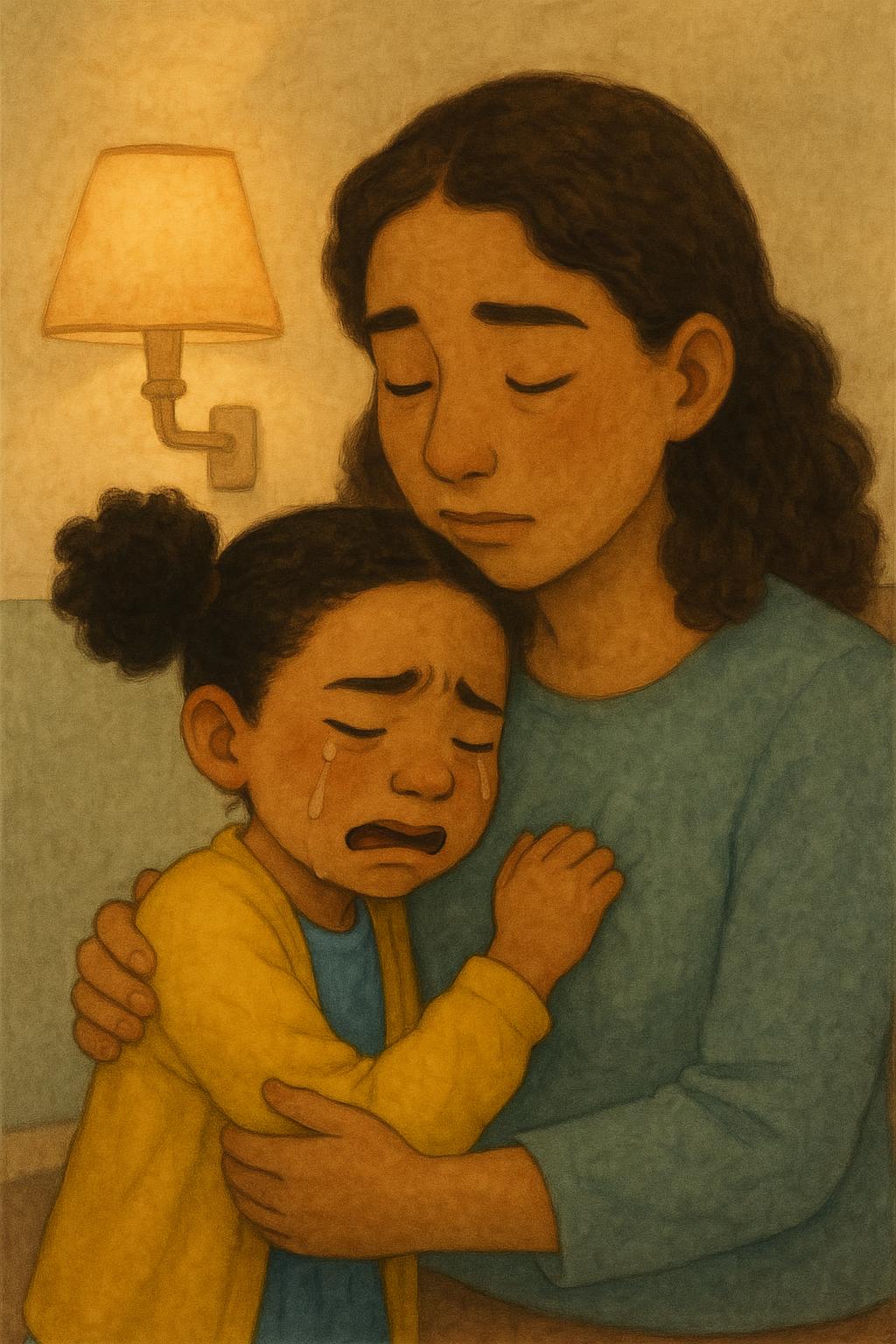
If this sounds like your house, you are not doing anything wrong — it is one of the most common patterns parents describe. Below are 12 small, practicable things that help, each one drawn from published cognitive behavioural work with children.
| What it is | 12 evidence-based steps you can run at home |
| Time per day | about 5 minutes |

What actually helps
Start by noticing what is happening
Notice & Name / Start Here card. When your child is feeling upset or overwhelmed, you can help them by guiding them through this step. Encourage your child to pause and simply notice their feeling. You can prompt them by saying, “Let’s stop and say, ‘I feel [name the feeling, e.g., scared], and that’s okay.’” After they have acknowledged their feeling, gently direct them to choose one of their coping cards. This practice helps your child learn to identify what they are feeling. It teaches them to connect a feeling with a specific action to respond to it. This simple reminder allows them to shift their attention from the feeling itself to a coping step. It is designed to be straightforward for young children and can help them develop a sense of managing an upsetting situation. A common challenge is when your child resists saying the words or choosing a card. If this occurs, avoid pushing them. Instead, you can model the phrase yourself or gently say, ‘I see you feel scared, and that’s okay,’ then calmly offer the cards without insistence. The aim is to keep the activity low-pressure and consistent, building the routine over time. Why it works: affect labeling followed by a consistent coping response.
Feelings Check card. Before your child uses a coping tool, ask them to look at their Feelings Check card. Have them color one of the rings to show how they are feeling right then: shaky, okay, or brave. After your child has finished using the coping tool, ask them to color a second ring on the card to show how they feel now. This simple step helps your child pay attention to their emotional state before and after using a strategy. By doing this, they can notice any improvement the skill produces. Noticing these shifts can help reinforce their use of the strategy in the future. It also helps in building your child’s belief in their own ability to manage their feelings. If your child says they feel exactly the same, you can gently ask if there’s even a tiny difference. “Is it maybe just a little bit less shaky, or a little more okay?” The aim is to help them identify even subtle changes. Why it works: monitoring arousal before and after using a coping skill to notice its effect.
Bring the body down first
Pick a Distraction card. When your child faces a situation that causes fear, you can help them by suggesting they choose a distraction. This means encouraging them to look away from what they are afraid of and focus on something else. For example, you might say, ‘Let’s count how many blue things we can see,’ or ‘Can you tell me what happens next in this story?’ You could also have a comfort toy ready for them to hold. This activity helps your child practice shifting their attention. Instead of concentrating on the fear, they learn to focus on something not connected to it. This shift, even for a short time, can help them manage the moment. Sometimes, a child might resist or say they can’t focus on anything else. If this happens, try offering a few simple choices for distraction, such as ‘Would you like to count red cars or tell me about your favorite animal?’ Having pre-selected options can make it easier for them to engage and practice shifting their attention away from the fear. Why it works: attention-focusing / distraction away from the feared stimulus to manage arousal in the moment.
One Calm Breath card. You can suggest your child imagine blowing out a candle. Guide them to take a slow breath in and then slowly blow out, as if making a candle flame flicker gently for a few seconds before it goes out. You can say, ‘Let’s try to make the flame dance slowly with a long breath.’ Practice this with your child, taking slow breaths together. This activity helps your child learn to notice their breathing and slow it down. This process can lower their bodily arousal, which in turn can help them feel more relaxed. This breathing skill can be practiced with you. A common challenge is when a child blows out too quickly, like trying to extinguish the candle immediately. If this occurs, gently prompt them to make the breath last longer. You might say, ‘Can you make that breath last for three counts?’ or ‘Try to make the candle flicker for a longer time.’ Modeling a slow, steady exhale yourself can also be very helpful, showing them what a prolonged breath feels and looks like. Why it works: diaphragmatic breathing / slow breathing to reduce physiological arousal.
Squeeze & Soften card. When your child feels a strong feeling, you can guide them with this activity. Ask your child to make a very tight fist, squeezing it hard for a few seconds. Then, tell them to let their hand go completely floppy, like a rag doll. You can say, “Squeeze your hand super tight, feel how strong it is. Now, let it go completely soft and floppy.” This activity is a simple form of progressive muscle relaxation. By tensing and then relaxing a muscle group, your child can experience an overall sense of bodily relaxation. This can help them manage the physical arousal that often accompanies a strong feeling. Sometimes, children might not fully relax their hand afterwards. If this happens, gently remind them to let it go ‘floppy’ or ‘like jelly’ and encourage them to notice the clear difference between the tight and soft feeling. Why it works: progressive muscle relaxation — tense then release a muscle group to lower bodily arousal.

Work with the worried thinking
I Can Ask card. When your child is preparing for a new or potentially unsettling situation, such as a visit to the nurse or dentist, encourage them to ask specific questions. You can help them say, ‘What is that?’ and ‘What happens next?’ directly to the professional before the activity begins. This practice helps your child gather realistic information about the situation. Fearful children often ask many ‘what if’ questions and tend to anticipate the worst. By actively getting clear answers, your child can reduce the uncertainty that contributes to their anxiety about what is going to happen. A common challenge is if your child repeatedly asks the same questions or seeks constant reassurance. If this occurs, gently remind them that they have already received the answers. Offer reassurance once more if necessary, then redirect their focus instead of engaging in a continuous loop of questions. This approach reinforces that they now have the information they need. Why it works: gathering realistic information / reducing anticipatory ‘what if’ uncertainty through predictability.
Brave Words card. Using a Brave Words card helps your child learn to tell themselves brave words when they feel worried. Work with your child to choose a simple phrase they can say, like ‘It is quick. I can do hard things.’ or ‘It’s just my fear acting up.’ You can write this on a small card together. Practice saying these words with your child, especially before or during a challenging moment. This activity helps because children sometimes underestimate their own ability to cope with situations that feel scary. By using these realistic coping statements, your child can learn to tell themselves they can handle a situation. This helps replace fearful thoughts that might make a situation seem more dangerous than it truly is. Sometimes, your child might struggle to say the words or might not believe them right away. If this happens, keep practicing gently. You can say the words together, or make it a quiet whisper. The goal is simply to get used to saying the new thought, not to instantly feel completely fearless. Choosing a very simple statement can also help. Why it works: coping self-talk / realistic coping statements to counter fearful thinking.
Then do something about it
Slow Count card. When your child is experiencing a strong feeling, you can introduce a slow count. Ask them to count slowly to five with you. You might say, “Let’s count slowly to five together before we do anything else.” This simple strategy helps your child create a pause between their feeling and their immediate reaction. It’s a skill they can learn quickly and apply in various situations. This pause gives them a sense of mastery over their response, rather than just reacting right away. A common challenge is that a child might rush through the count or resist. Instead, try to count with them, making it a shared, calm activity. Emphasize the slowness of the count, perhaps by dragging out each number. Practicing this when your child is already calm can also make it easier when feelings are intense. Why it works: simple counting strategy that inserts a pause between the feeling and the reaction.
When to bring in a grown-up
Comfort Hold card. When your child is feeling overwhelmed by anxiety, you can offer quiet comfort. You might invite your child to sit on your lap or gently hold their hand. During this time, it is helpful to stop talking. Your presence should be calm and close. A calm and close parent helps your child settle when they cannot think clearly in that overwhelmed state. This quiet comfort and proximity can act as a secure base for them. It is common for children to have different comfort preferences when they are anxious. Some children may prefer a hug, while others might do better with you simply being calmly in the room nearby. If your child seems more distressed by physical contact or pulls away, try offering a calm presence from a slight distance rather than insisting on a lap-sit or hug. Why it works: parental quiet comfort and proximity as a secure base when the child is overwhelmed.
Brave Plan / How to Use / Do It With Me engine cards and the. With the Brave Plan materials, before your child’s visit, choose two simple tools. Then, practice one straightforward routine together. It is helpful if you demonstrate the routine first, modeling how to use it yourself. This approach uses a single, simple strategy that your child can learn quickly and apply in various situations. It places minimal demands on your child while also helping them develop a sense of mastery. Children tend to use such coping strategies more consistently when a supportive adult models them. Sometimes, it can be tempting to introduce many tools or make the routine complicated. Instead, focus on keeping the routine very simple and using just one main strategy. This keeps it manageable for your child. If your child’s fear is persistent or significantly affects their daily life, please discuss this with a mental-health professional. Why it works: teaching one simple learnable coping routine usable across situations, supported by adult modeling and help-seeking for persistent distress.

The rest of the routine
PREP suit. To help your child prepare, use the PREP suit cards that describe each step of the dentist visit. Go through ‘What Happens First,’ ‘The Check-Up,’ ‘At the Dentist,’ and ‘The Quick Pinch’ cards. Read the honest, concrete descriptions of what will actually happen during the visit. This process gives your child an accurate understanding of the situation. Providing realistic information helps to correct any overestimation or misappraisal of threat your child might have, which in turn prepares them to approach the situation rather than try to avoid it. A common challenge can be feeling the need to make the details sound less intimidating. However, it is important to stick to the concrete and honest descriptions provided on the cards. Softening the details might prevent your child from getting the accurate information needed to correct their understanding of the situation. Why it works: psychoeducation / accurate preparation — giving the child and family realistic information about the feared situation to correct the misappraisal and overestimation of threat.
Boss of My Body card. When your child faces a situation they find a little scary, offer them a small choice about how they will approach it. You could say, “Would you like to use your left arm or your right arm for this?” or “Do you want to look at it first, or look away and then look?” Another option is, “We can count to three before we start, if you like.” Giving your child these specific, real choices helps them feel a sense of control over the situation. This builds their confidence and a feeling of mastery, which can reduce their anxiety. It also encourages them to move towards the situation instead of trying to avoid it. Sometimes, a child might try to use the choice to avoid the situation altogether. For example, by choosing “not to do it.” To address this, ensure the choices you offer are always about how to approach the situation, not whether to approach it. Both options should still lead towards engaging with the feared cue. Why it works: building a sense of control and mastery by giving the child real choices.
What to expect
Skills practised when a child is calm are the ones available when a child is not — the first few days are practice, not proof. If distress is intense, persistent, or getting worse, speak to your paediatrician or a licensed mental health professional in your area. A printable is a practice tool, not an assessment.
If you would like this as a ready-made routine
We made a printable version of exactly this sequence.
Pip’s Brave Visit (Doctor/Dentist/Shot Fear Coping Card Deck)
Kite & Koala printables are made by a mental health professional with a PhD. Built on published CBT research. Educational tool — not a substitute for therapy or medical advice.
Common questions
What age is this for?
These steps are written for children. Younger children need an adult to lead each step and to keep it short; older children in the band can often run most of it themselves once the routine is familiar. Adjust the pace rather than skipping steps.
How long before it helps?
Treat the first week as practice, not proof. Skills rehearsed while a child is calm are the ones available when they are not, so the routine is built on ordinary days and drawn on during hard ones. Consistency matters far more than length.
Do I need to buy anything to try this?
No. Every step above can be done with your voice, your hands and a few minutes. A printable simply saves you from remembering the order and gives the child something concrete to hold, which many families find easier at the end of a long day.
When should I talk to a professional?
If distress is intense, lasts for weeks, gets worse, or stops your child doing ordinary things like school, sleep or seeing friends, speak to your paediatrician or a licensed mental health professional in your area. These activities are practice tools, not an assessment.
Leave a Reply